THERAPY FOR MANAGING YOUR ANGER WHILE DRIVING IN COLORADO
Road Rage
What is Road Rage?
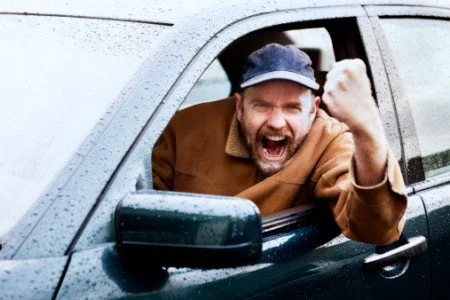
Road rage is aggressive or hostile behavior a driver directs at others from behind the wheel — tailgating, laying on the horn, aggressive gestures, shouted insults, cutting someone off on purpose, or, in more serious cases, physical confrontations.
In Colorado, the triggers are everywhere: stop-and-go traffic on I-25 through the Tech Center, the crawl over Monument Hill, a Saturday ski-traffic jam on I-70 that turns a two-hour drive into four, a slow driver camping in the left lane on C-470, or an out-of-state car hesitating at a mountain-town roundabout. Add winter conditions, construction season, and a fast-growing population on roads that weren't built for it, and a routine drive can become a real test of patience.
Road rage is usually fueled by chronic stress, time pressure, or the feeling that another driver has been careless or disrespectful. Left unchecked, it raises the risk of crashes, legal trouble, and conflict — and it takes a toll on your health and on the people riding with you.
Recognizing your personal triggers and building healthier ways to cope are the first steps toward reducing how often road rage happens, and softening its impact when it does.

Anybody can become angry, that is easy; but to be angry with the right person, and to the right degree, and at the right time, and for the right purpose, and in the right way — that is not within everybody’s power; that is not easy.
— Aristotle

I help adults throughout Colorado — Denver, Boulder, the south metro suburbs, Colorado Springs, Fort Collins, and the mountain communities — who struggle with road rage and anger. Together, we build behavioral and emotional self-awareness, identify triggers and underlying causes, and develop practical coping skills — the "tools" that make it possible to manage anger reactions in healthier, more constructive ways.
Road rage is rarely just about driving. More often, it's where stress, frustration, and anger from the rest of your life finally spill over — because the car feels private, anonymous, and safe to explode in.
A Road Rage Expert, Not Just a Therapist
Road rage isn't a side interest for me — it was the subject of my doctoral research. My dissertation studied driving anger and the attributions and triggers behind aggressive driving, and I've since been a media consultant on road rage for outlets including ABC News, CBS News, NBC, NPR, and Men's Health.
That research shapes how I work with clients: understanding how the stories we tell ourselves about other drivers ("He did that on purpose") fuel anger, and how to change them. It's the same approach I use in my anger management therapy.
Top Ten Ways to Avoid Road Rage
1. Take public transportation or ride a bike.
2. Leave 10 minutes early, so you won't be rushed and stressed.
3. Enjoy the ride (e.g., focus on the scenery; enjoy the company of your passengers, etc.)
4. Reduce your stress and anger triggers (e.g., practice mindful breathing; listen to relaxing music instead of aggravating talk radio; put down the phone; etc.)
5. Exercise altruism (e.g., purposely allow others to merge and pass.)
6. Use humor (e.g., tell yourself, "They must be rushing to the gym. They need it!")
7. Practice acceptance (e.g., "Let it go”)
8. Don't be a vigilante (e.g., let the police deal with dangerous drivers.)
9. Play it safe and smart (e.g., move to a different lane; pull over and calm down.)
10. Think socially rather than selfishly, and try to imagine the other driver's perspective (e.g., "I bet he's late for work like I was yesterday. I'll let him pass.")
As featured on: